


Difference Between Architect and Interior Designer: Complete Guide
The Difference Between Architect and Interior Designer often confuse many people. When it comes to architect vs interior designer, both professional shape your space. But in very different ways. An architect is licensed to stamp structural drawings. While an interior designer focuses on the look; feel and functionality of interiors. Still; the overlap can cause confusion for homeowners. So; what does an Architect do; and what does an interior designer do? And more importantly; who should you choose? An architect or interior designer for renovation projects?
Let’s see this in the simplest way.
Why Understanding This Difference Matters for Your Project
A common mistake is assuming architects handle everything. Or that interior designers can manage structural changes. This can lead to:
- Unsafe spaces
- Budget outruns
- Delayed timelines
- Clashing aesthetics
Hiring the right expert ensure efficiency. Architects normally charge 5% to 20% of project cost. They are responsible for structural safety, permits; and coordination with engineers. Interior designers plan interior and exterior spaces; focuses on aesthetics; and select material. Hiring incorrectly can cost more and create safety or compliance issues.
How the Wrong Choice Can Impact Your Budget and Results
Choosing the wrong professional can cost significantly. Architects designs and oversee building construction; ensures structural soundness & handle permits. Interior designers focus on interiors, comfort; and visual appeal. Hiring the wrong person may mean paying high fees for work they are not trained to do or facing regulatory issues.
Architect Roles And Responsibilities
Core Responsibilities in Building Design and Planning
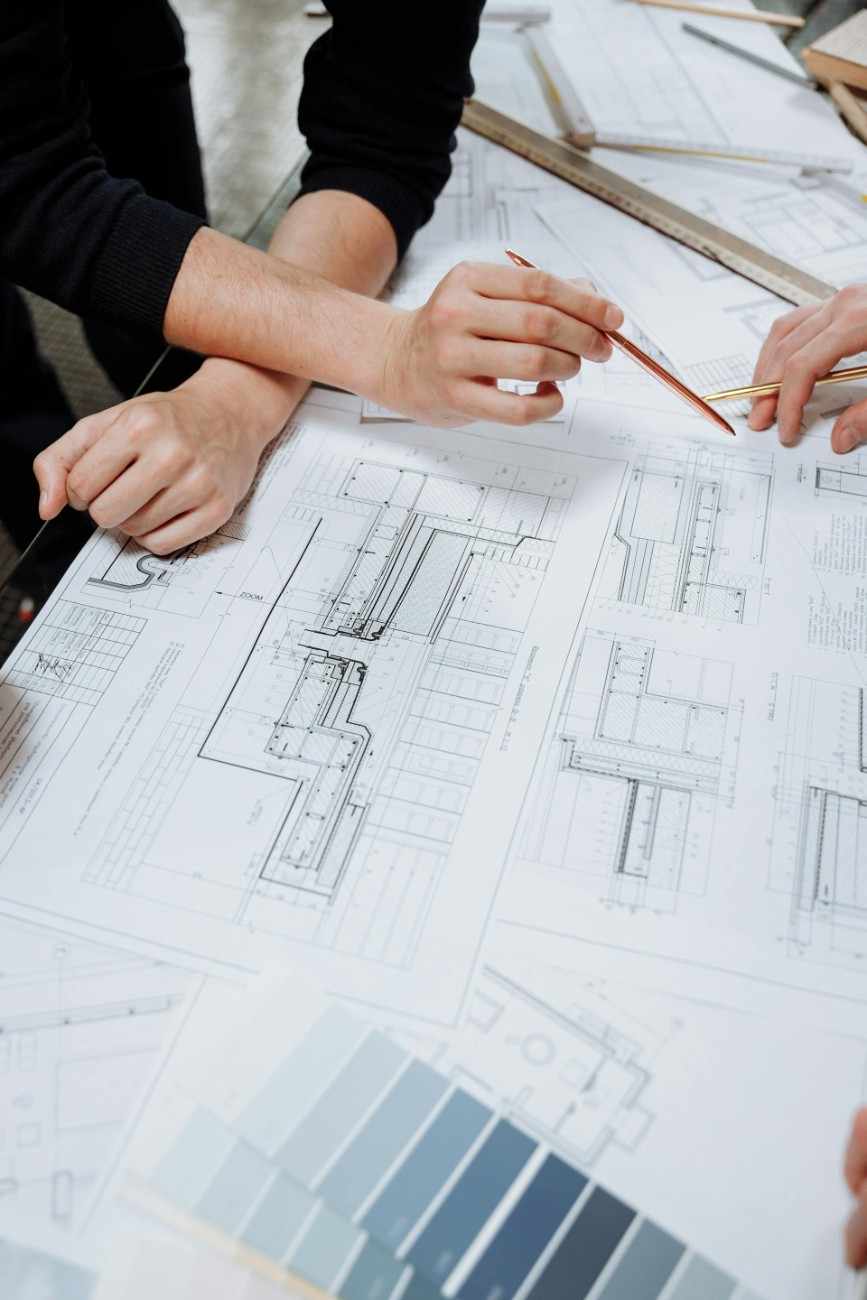
Architects are trained to design & oversee building construction. Their responsibilities include;
- Ensuring structural integrity & code compliance
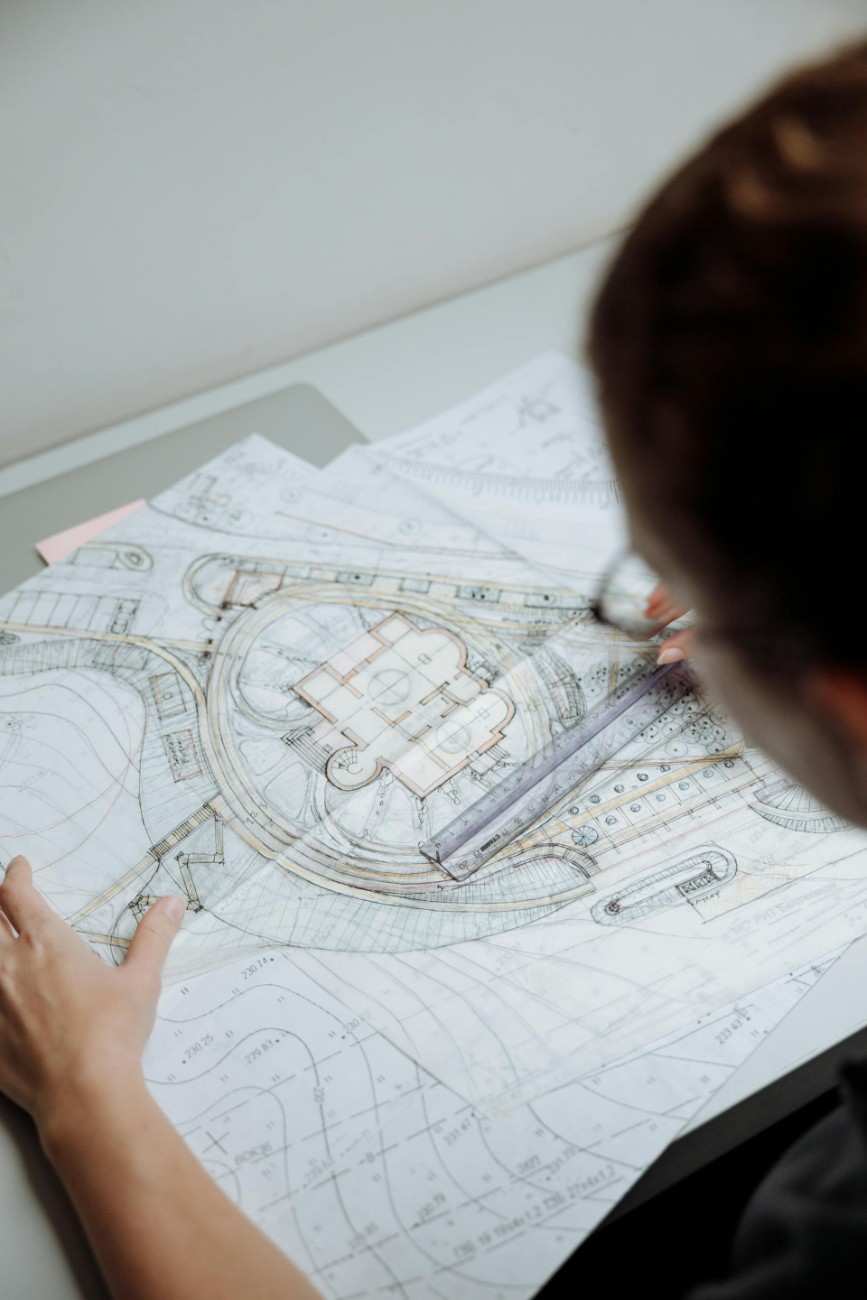
- Creating construction drawings, floor plans; and submission drawings
- Managing load-bearing walls, exterior facades & site layouts
- Conducting feasibility study and environmental impact assessments
- Obtaining building permits and signing/sealing construction documents
They also handle material specifications, construction site supervision, and engineering collaboration.
Structural Safety, Permits; and Technical Expertise
Architects ensures structural soundness & comply with zoning regulations. They coordinate engineers and contractors. Their work help prevent structural failures. It ensures safety; and avoids costly mistakes during construction.
Residential Architect: Designing Functional Living Spaces
A residential architect works from empty plot or existing structure. They design functional layouts; plan interiors and exteriors; and integrate modern amenities. Considerations include;
- Site selection; and zoning regulations
- Sustainable building practice
- Interior flow and space optimization
- Building systems integration – plumbing, HVAC, electrical

Commercial Architect: Planning Large Scale Projects
A commercial architect manage offices, hotels & retail projects. Responsibilities include:
- Designing for large occupancy & safety compliance
- Coordinating engineers & contractors
- Overseeing adaptive reuse or renovation project
- Ensuring construction site supervisions
- Readying submission drawings & ensuring code compliances
Interior Designer Roles and Responsibilities
Focus on Aesthetics Functionality & Space Planning
Interior designers creates aesthetically pleasing environments. They focus on space planning, layout; and user comfort. They works closely with clients on preferences and understand their lifestyle.
Their work includes:
- Color palette selection and lighting design
- Choosing furniture and fixtures
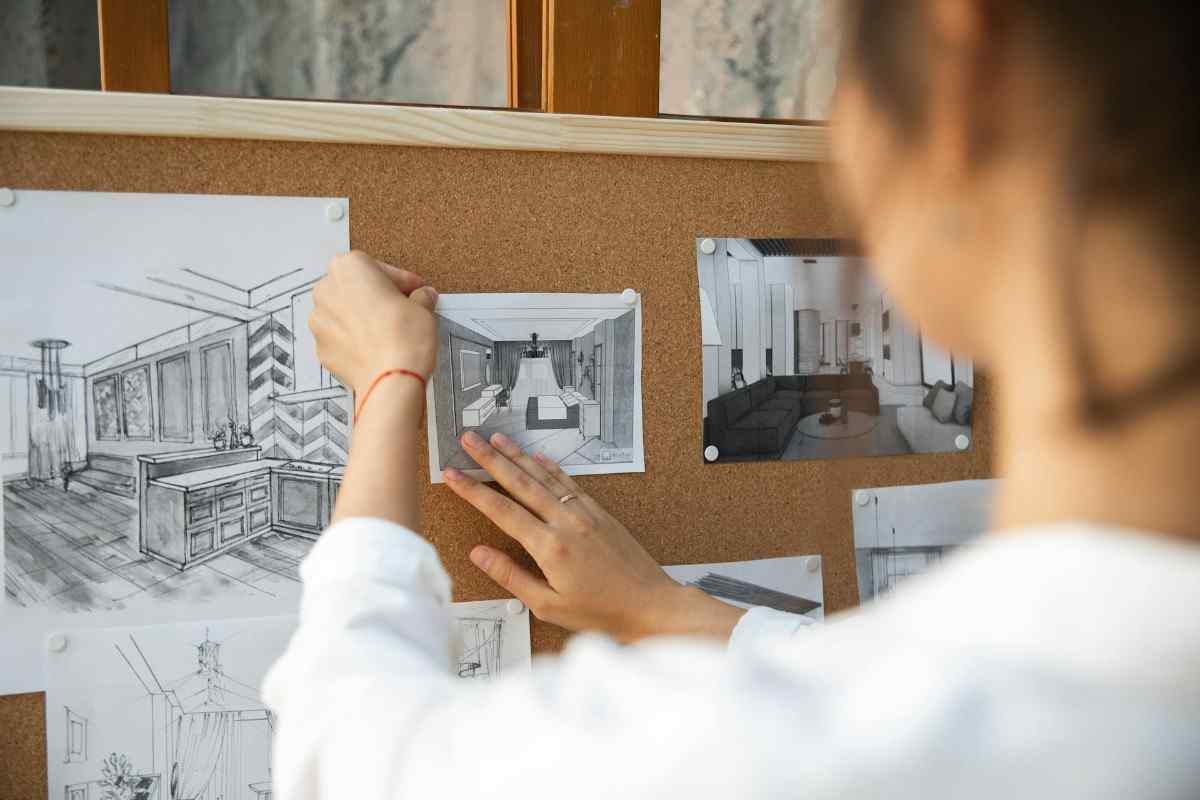
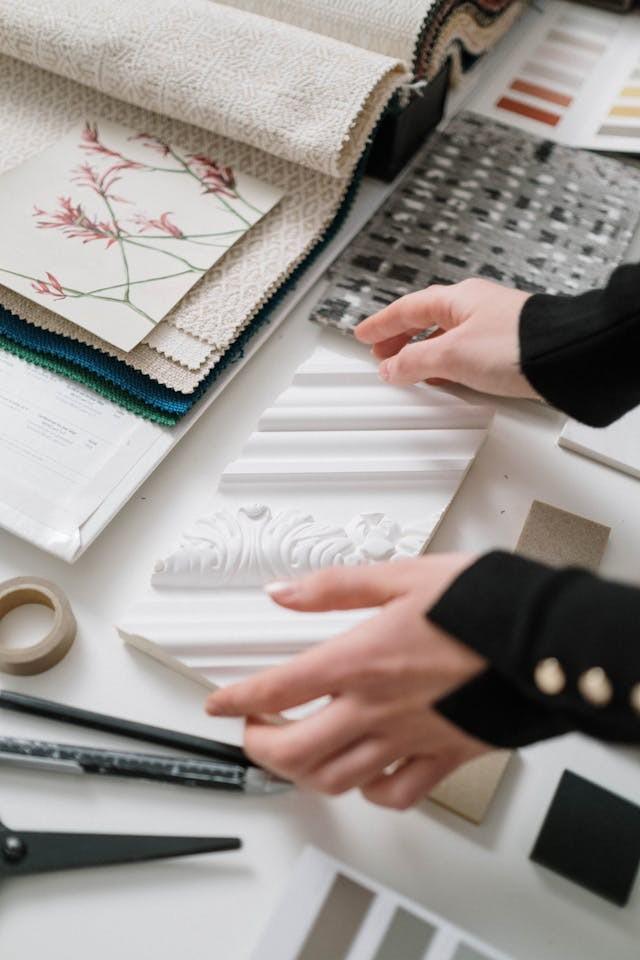
- Creating a mood board & design concept
- Planning layouts for better flow
They enhances interior spaces of existing structures. There are no structural modifications involved in most cases.
Material, Style, and Interior Enhancement


Interior designers select furniture fabrics and finishes. They handle material and finish selection, décor, and window treatments. They also focus on;
- Décor & accessories.
- Creating cohesive interior style.
- Following latest design trends like minimalist design, mid-century modern; or luxury interior design
They designs for remodeling and redecorating. They also helps in sourcing contractors and ordering materials.
Residential Interior Designer vs Commercial Interior Designer
A residential interior designer focus on homes. They align design with client vision and lifestyle. They create comfort and personal style.
A commercial interior designer work on offices, hotels, and retail spaces. They focus on branding, function; and customer experience.
Difference Between Architect and Interior Designer
| Aspect | Architect | Interior Designer |
| Education | Licensed degree in architecture | Degree in interior design |
| Focus | Structural integrity, safety, building systems | Aesthetics, comfort, functionality |
| Skills | Construction drawings, zoning, project management | Space planning, material selection, decor |
| Certification | Must be licensed in all 50 states. | Varies by region |
| Fee | 5%-20% of project cost | Flat rate or hourly |
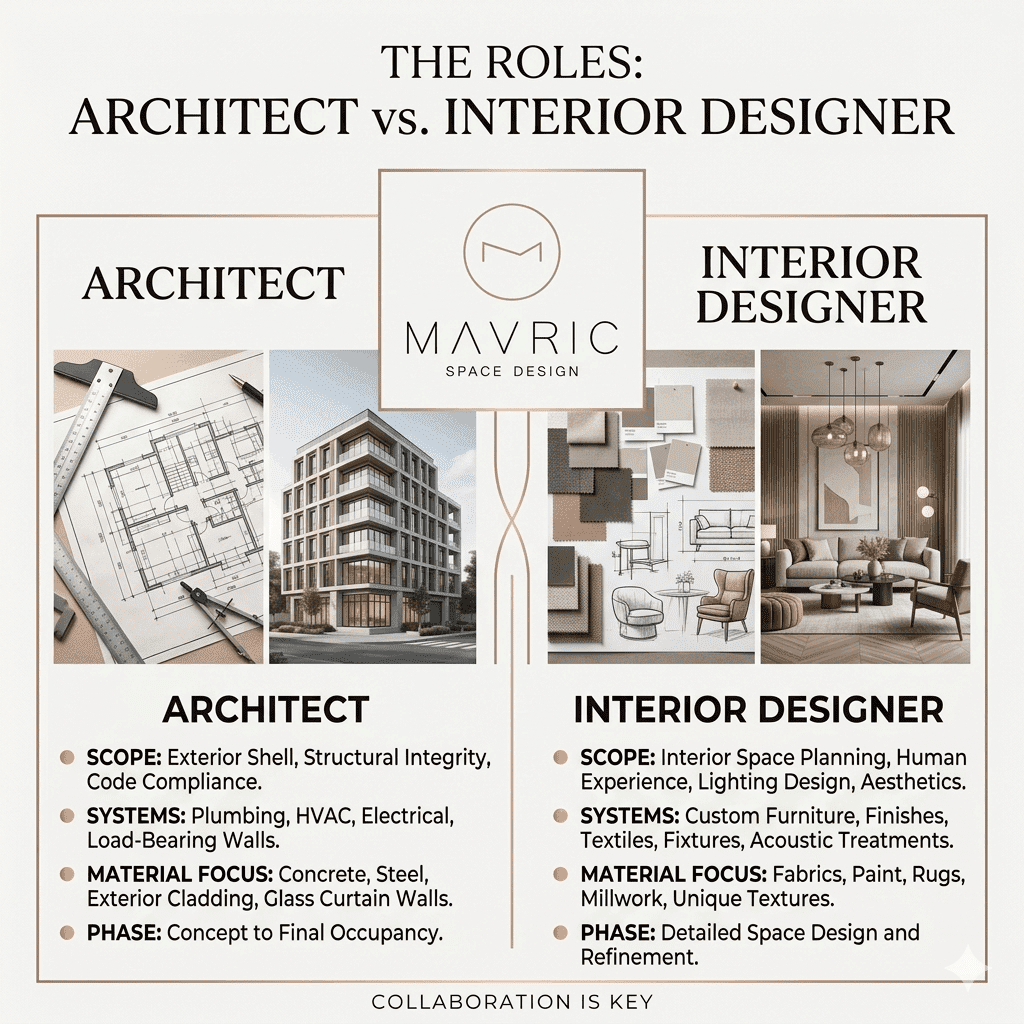
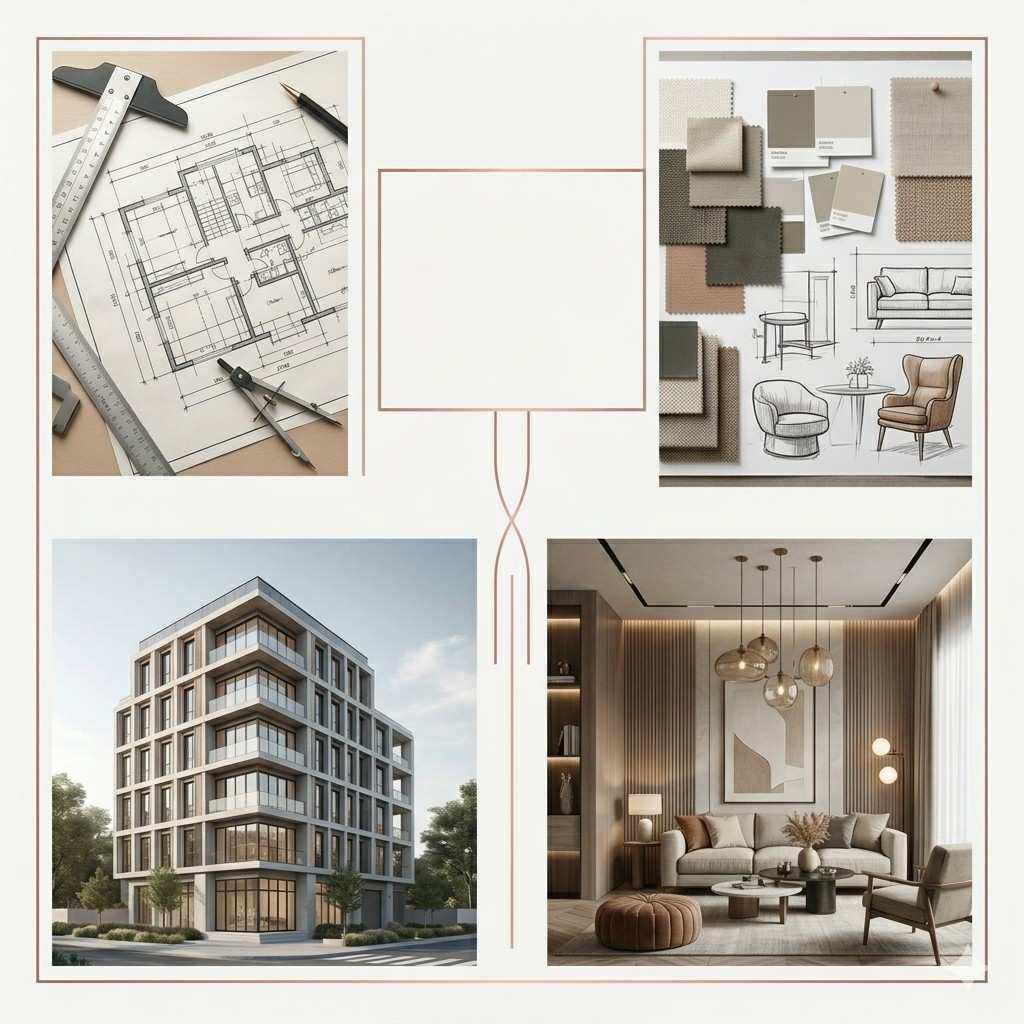
Architects handle the building’s bones. Interior designers handle interior life. For large projects; hiring both ensures safety and style.
Architect vs Interior Designer. Which One Do You Need?
Choosing Based on Project Type and Goals
- Full construction → Architect
- Renovation with structural changes → Both
- Aesthetic makeover → Interior Designer
New Constructions vs Renovation Decisions
New buildings need an architect to design, oversee construction; and manage permits. Renovations may need an interior designer for redesigns – sometimes collaborating with an architect.
Budget Based Decision-Making Guide
- Large-scale projects → Architect + Interior Designer
- Cosmetic updates → Interior Designer alone
- Structural modification → Architect essential
When Should You Hire Both The Architect & Interior Designer?
Complex Projects That Require Collaborations
Projects with structural changes and aesthetics benefit from both. They work together on:
- Structural modifications
- Coordinated materials & finishes
- Adaptive reuse & sustainable solutions
Benefits of Combining Structure and the Design Expertise
- Ensure safety; code compliance; and aesthetics
- Reduces costly rework
- Delivers efficient, visually appealing spaces
Real-World Scenarios Where Both Are Essential
- Luxury homes and apartments
- Commercial offices and hotels
- Heritage buildings requiring adaptive reuse
Step by Step Guide to Hiring the Right Professionals
- Define project scope clearly
- Identify structural; or aesthetic needs
- Ascertain budget & timeline
Questions to ask before hiring;
- Are you licensed & insured?
- Can you show past projects portfolios?
- How do you collaborates with other professionals?
Red flags to avoid:
- Lack of credentials
- Poor communication
- Unwillingness to collaborate
Hiring the right expert ensures on time, safe; and beautiful results.
Benefits of Hiring the Right Expert for Your Space
- Better project outcomes and efficiency
- Cost saving in the long run
- Improved functionality & aesthetics
Practical Tips to Plan Your Dream Space Successfully
- Share your goals & lifestyle need openly
- Set realistic timelines and expectation
- Use mood boards, sketches; or photos to communicate ideas
At Mavric – we guide clients to make the right choices and bring their dream spaces to life.
Quick Recap to Simplify Your Decision
Architects handle structure, safety; and permits. Interior designers focus on aesthetics, comfort; and flow. Large projects often need both.
Action Steps to Move Forward Confidently
Assess your project scope. Hire professionals based on their roles and responsibilities. Collaborate throughout. Visit Mavric Design Firm to understand the difference between architect and interior designer. Turn your vision into reality.
What is main difference between architect and interior designer?
Architects Design the buildings itself and Interior designer design the interior layout functional and aesthetics
Do I need architect or interior designer for renovations?
Structural changes require an architect. Cosmetic updates need an interior designer. Complex projects may require both.
Can an interior designer do architectural work?
No. Structural changes must be done by a licensed architect.
Is hiring both expensive?
Costs are higher. But combined expertise save money and ensures safety.
Who should I hire first for a construction project?
Start with an architect for structure & permits. Then hire an interior designer for interiors.