


Interior Design Rules: Simple Secrets for a Perfect Space
Ever wondered why some rooms feel perfect and balanced?
That is where Interior Design Rules come in. These rules are not strict laws. They are simple guides. They help you create a space that looks beautiful and feels comfortable.
Good design is not about filling a room with expensive items. It is about intentional design. Every piece should have a purpose. The goal is: To create a cohesive design that feel complete but not cluttered.
Let’s explore the most important rules that designer use.
What is the Golden Rule of Interior Design?
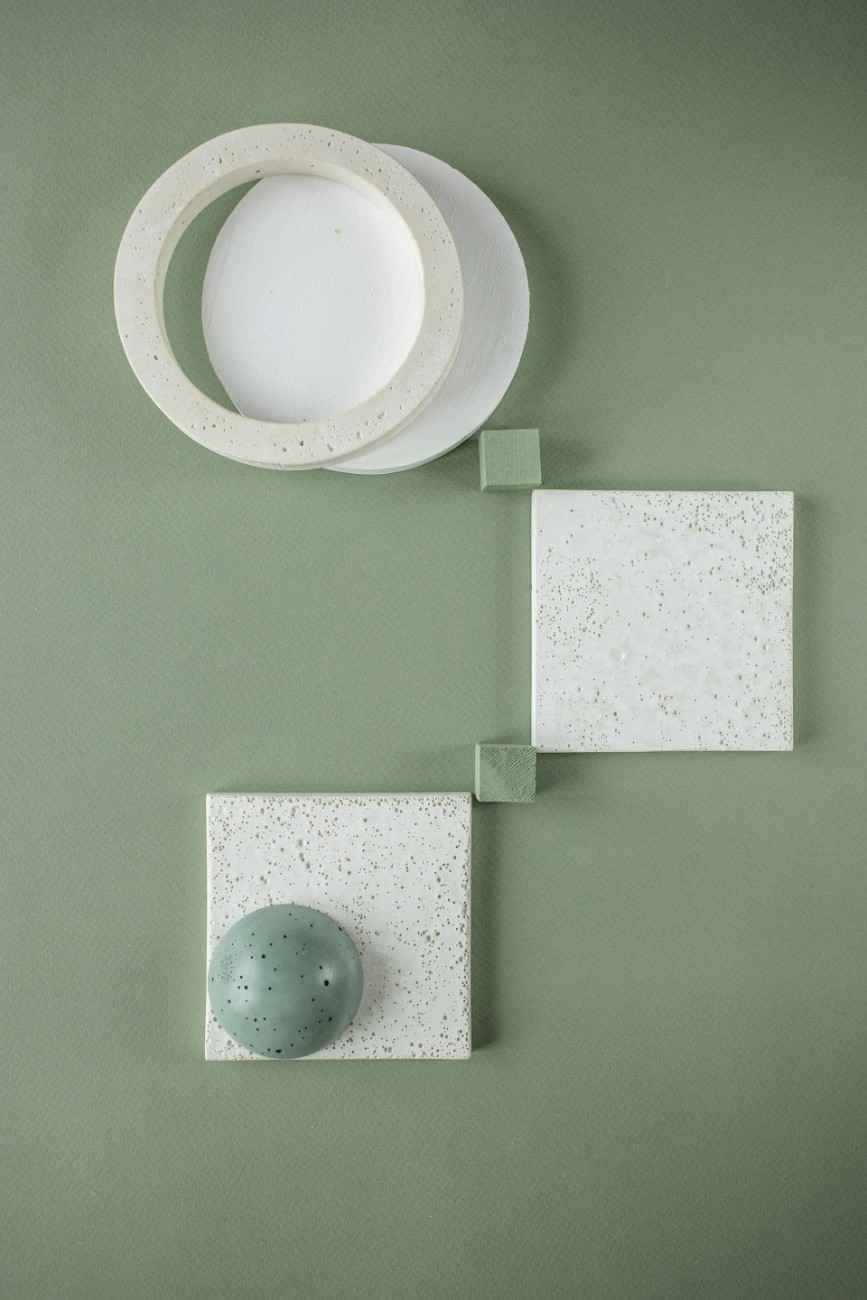
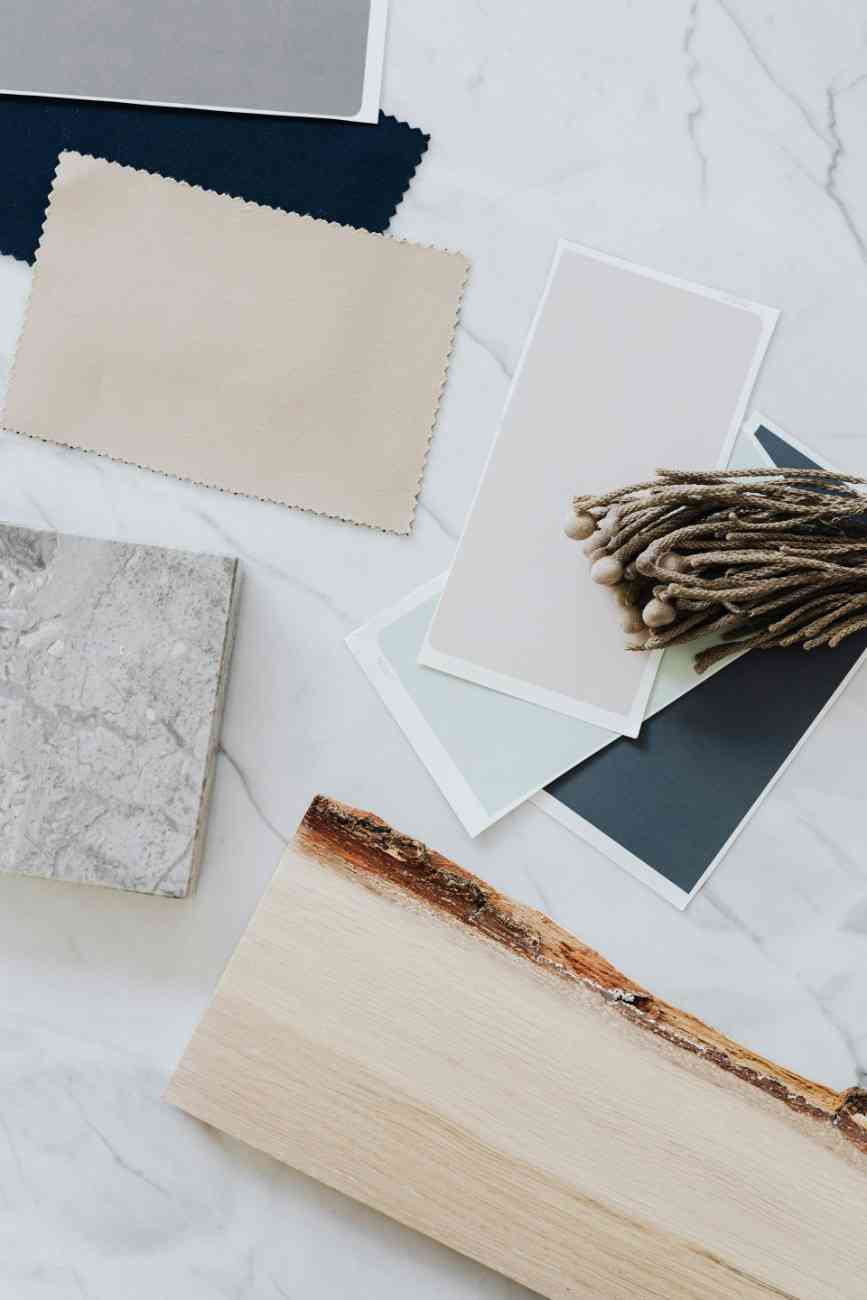
The golden rule of interior design is the balance. A space should feel stable and pleasing to the eye. This is called visual balance.
There are two types of balance. The first is symmetrical balance. It is neat and formal. The second is asymmetric balance. It feels more natural and modern.
Designers also focus on proportion and scale. Big furniture should match the size of the room. Small items should not get lost in a large space.
Another key idea is visual weight. Dark colors and heavy furniture feel stronger. Light colors feel softer. A good design balances these elements.
| Rule | Purpose | Key Idea |
| 60-30-10 Rule | Color balance | 60% main, 30% secondary, 10% accent |
| 70/30 Rule | Style mix | 70% one style, 30% contrast |
| 70/20/10 Rule | Design layering | Balanced variation with bold accents |
| 3-5-7 Rule | Decor grouping | Use odd numbers for better visuals |
| 3-4-5 Rule | Layout balance | Proper spacing and arrangement |
| Golden Rule | Overall balance | Focus on visual balance and harmony |
This table gives a quick summary. It is easy to read. It also shows how each rule helps with focal points; visual hierarchy & cohesive design.
What is the 60 30 10 Rule in Interiors?
A very well liked rule in interior design is the “60-30-10 rule”. It help create a balanced color palette.
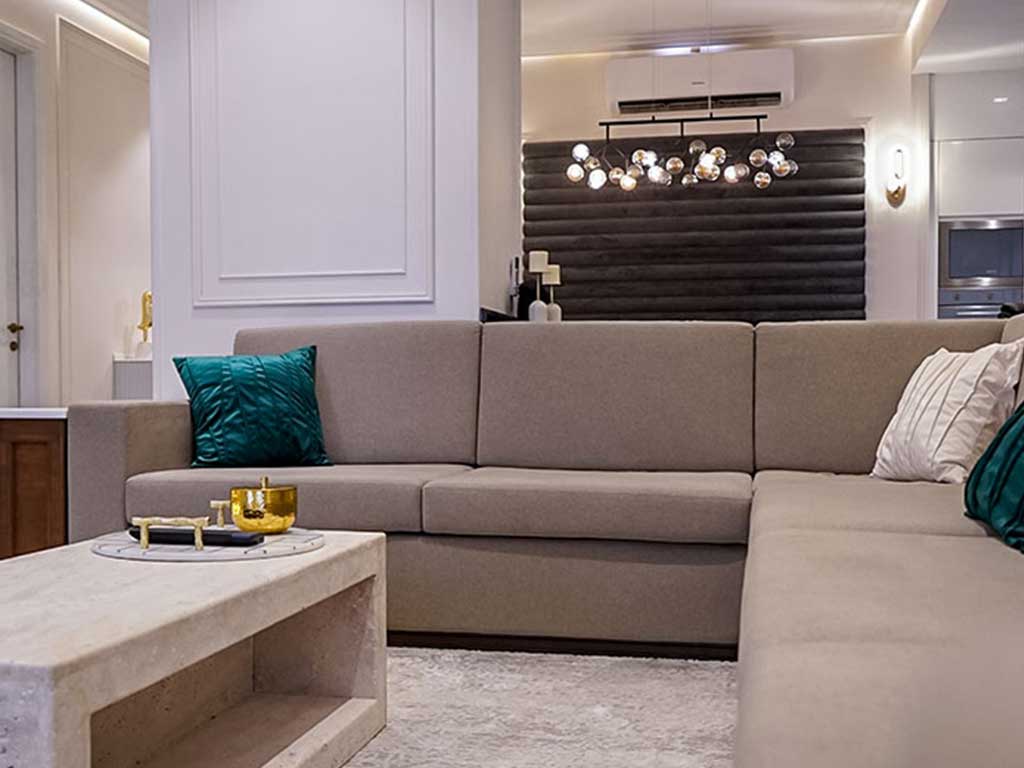
- 60% is the main color. It covers walls or large furniture.
- 30% is the secondary color. It supports the main shade.
- 10% is the accent color. It adds interest and contrast.
This rule creates strong color harmony. It also builds a clear visual hierarchy.
The main color becomes the dominant element. The second color acts as a secondary element. The accent color works as an accent element.
This simple formula makes any room look well designed.
What is the 70/30 Rule in Interior Design?
The 70/30 rule in interior design is about merging style.
- 70% of the room follows one style
- 30% introduces contrast or variety
This rule keeps the design interesting. It avoids boredom. At the same time, it keeps the room balanced.
It is a great design formula for modern homes. It helps you mix style without losing harmony.
What is the 70/20/10 Rule in Decorating?
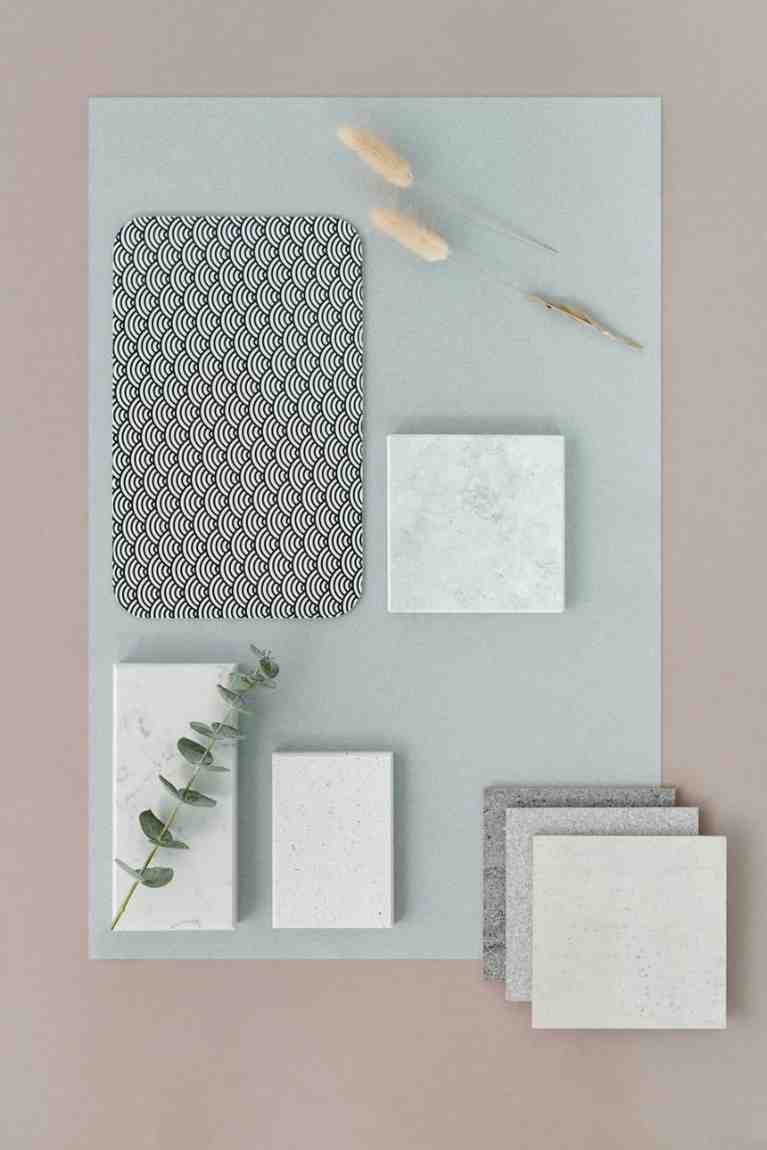
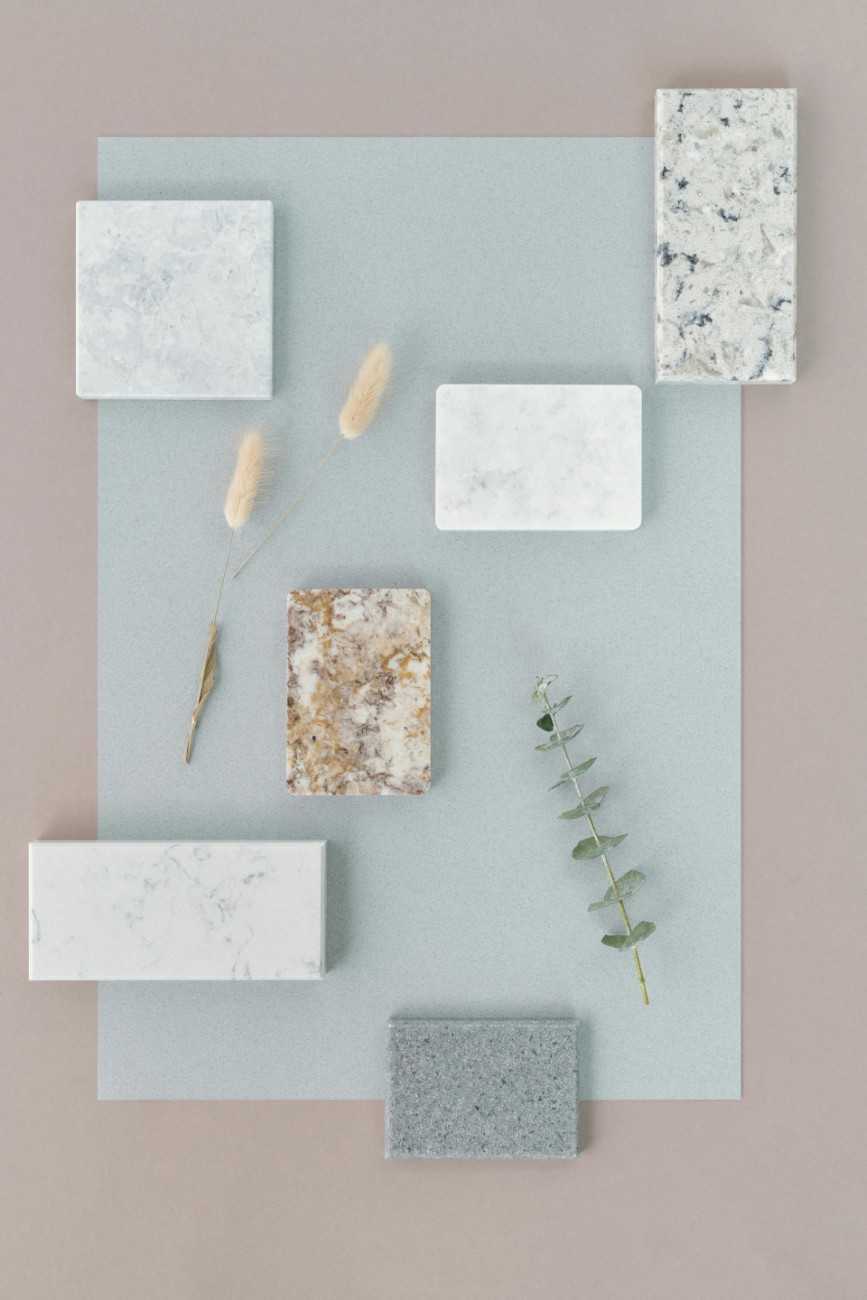
The 70/20/10 rule help you manage; and balance different design elements.
- 70% is the main design style
- 20% adds variation
- 10% creates bold contrast
This rule is useful when you want a stylish but controlled look. It supports design restraint. It keeps the space from feeling messy.
What is the 3 4 5 Rule in Interior Design?
The 3 4 5 rule in interior design is used for arranging furniture; and décor.
It helps create a sense of order. Designers use it to maintain proper spacing; and alignment.
This rule also supports proportion and scale. It ensures that items fit well within the space.
The result is a clean & organized layout.
What is the 3-5-7 Rule of Decorating?
The 3-5-7 rule of decorating focus on grouping the items in odd numbers.
This idea is known as the rule of three or odd number grouping.
Odd numbers feel more natural. They create better visual flow. For example:
- Three cushions on a sofa
- Five decorative items on shelf
This approach improves visual hierarchy. It also helps highlight a focal point in the room.
Creating a Strong Focal Point
Every room need a focal point. It is the first thing people notices.
It can be a sofa, artwork; or a feature wall. The focal point should stand out.
Other elements should support it. This builds a clear visual hierarchy. It guides the eye naturally across the space.
The Importance of Color Harmony
Colors affect mood. They can make room feel calm or energetic.
A good color palette creates color harmony. It connects all elements in the room.
Avoid using too many colors. Stick to a few shades. This keeps the design clean and balanced.
Design Restraint: Less is More
One of the most important Interior Design Rules is simplicity.
Too many item can make a space feel crowded. Good design uses design restraint.
Choose quality over quantity; Keep only what adds value.
This helps achieve the idea of making a space feel complete but not cluttered.
Building a Cohesive Design
A well-designed room feels connected. Every element works together.
This is called a cohesive design. It is achieved through balance, color, and consistency.
Use similar materials, textures, and colors. Repeat elements to create flow.
This makes the space feel comfortable & inviting.
Final Thoughts
Understanding Interior Design Rules makes decorating easier. These rules guide your choices. They help you create balanced & beautiful space.
You don’t need to follow rules strictly. Use them as guide. Add your personal style.
At the end; good design is about comfort and feeling. It is about creating a space that reflects you.
If you want professional help – Mavric Design Firm can guide you. Our team creates spaces that are stylish, functional, and perfectly balanced.